White Russian Organic
HOW TO GROW SIBERIAN KALE
Start indoors 4-6 weeks before last frost, plant out 4 weeks before frost. For fall harvest, transplant 13 weeks before first frost, without additional protection. In a hoophouse, you can plant 2-3 weeks later. Plants are hardy when small but may not feed you until spring. Direct sow anytime after last frost up to 6 weeks before first frost. For seed production, plant in late summer in the Pacific Northwest and coastal British Columbia for a more cold hardy plant. Becomes sweeter with frost and edible to about 22–25˚F. Survival at low temps 10˚F or cooler requires good mulch or snow cover to protect from wind freeze. Will cross with rutabagas. Row covers reduce cabbage worms and extend winter harvest. Soil pH 6.1-6.5. Hardiness zones 3-9. Biennial.
Days from maturity calculated from the date of seeding. Average 9,000 seeds per ounce. Average 112M seeds per acre. Federal germination standard: 75%. Usual seed life: 5 years. Isolation distance for seed saving: 1 mile.
Planting Depth 1/4-1/2”
Soil Temp. Germ. 55-75˚F
Days to Germ. 5-15
Plant Spacing 12-18”
Row Spacing 18-30”
Days To Maturity 50
Full Sun, Moist Well Drained
Days from maturity calculated from the date of seeding. Average 9,000 seeds per ounce. Average 112M seeds per acre. Federal germination standard: 75%. Usual seed life: 5 years. Isolation distance for seed saving: 1 mile.
Planting Depth 1/4-1/2”
Soil Temp. Germ. 55-75˚F
Days to Germ. 5-15
Plant Spacing 12-18”
Row Spacing 18-30”
Days To Maturity 50
Full Sun, Moist Well Drained
White Russian Organic Seed Count
1 Ounce ≈ 9,450 seeds




- 200 Seeds$4.10
- 2000 Seeds$12.50
- 1 Ounce$26.00
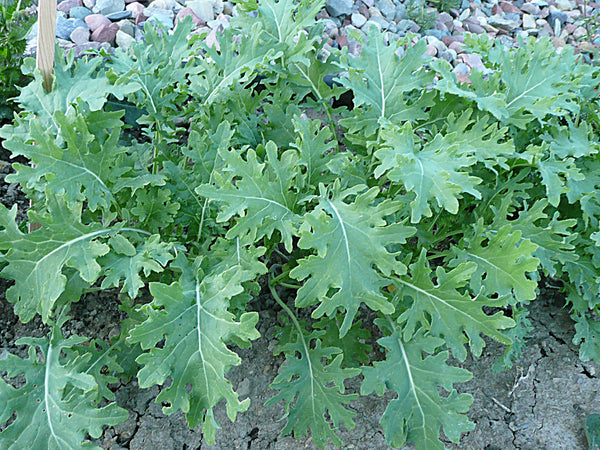
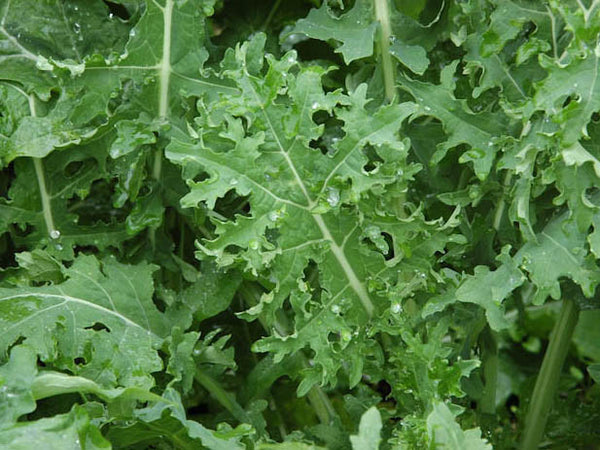
Judged most cold-hardy kale in trials at Garden City Seeds (Montana) circa 1995, and voted the best tasting among farm crews at High Mowing Seeds in Vermont and at Gathering Together Farm. Tolerates water saturated soil better than any other kale we grow, lone survivors in two flood years and the annual low spots. L...
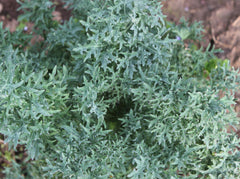
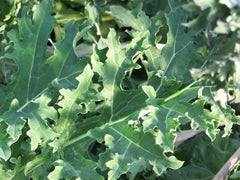
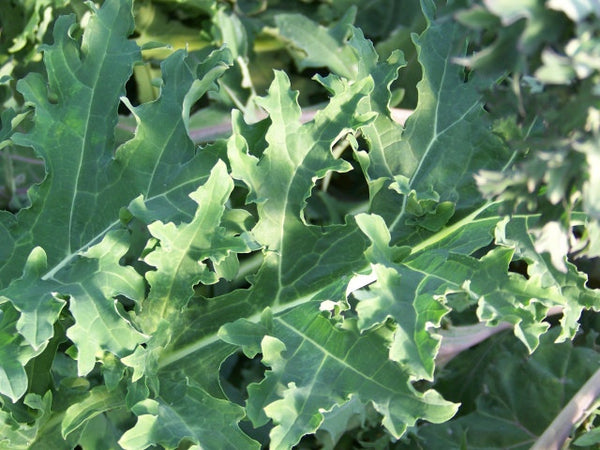
Judged most cold-hardy kale in trials at Garden City Seeds (Montana) circa 1995, and voted the best tasting among farm crews at High Mowing Seeds in Vermont and at Gathering Together Farm. Tolerates water saturated soil better than any other kale we grow, lone survivors in two flood years and the annual low spots. Leaves are dissected like Red Russian, but with whitish stems and veining. Vigorous!This is Open Source Pledged Seed (OSSI). By purchasing this seed you are a part of the Free The Seed movement. This variety is registered as an OSSI-pledged variety and seed. “You have the freedom to use these OSSI-Pledged seeds in any way you choose. In return, you pledge not to restrict others’ use of these seeds or their derivatives by patents or other means, and to include this pledge with any transfer of these seeds or their derivatives.” To learn more, visit: www.osseeds.org/about/. Tags: Type: Siberian, Color: White, Specialty: Cool Climate, Heritage: Heritage: New Variety, Heritage: Open Source OSSI, Season: Spring Fall Winter, Certification: Organic.
Learn More
Meet Your Farmer
We promote fair trade, organic practices and environmental responsibility throughout the Restoration Seeds supply chain. Below are the family farmers and seed suppliers who bring our open pollinated seeds to you.
Feral Farm
Certified Organic by CCOF
Seed grower since 2015
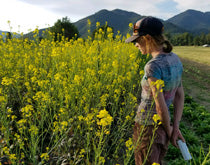
I started growing seed commercially as an apprentice at the Organic Farm School in the Puget Sound in Washington. I already loved growing vegetables, but taking a plant all the way through its life cycle felt like a special kind of honor, and I quickly saw the value in sustaining organic, important, and rare plant varieties and participating in sustainable food systems in this way. I moved to Oregon in 2015 and have been growing my organic seed farming business over the last four seasons by renting land from existing farms and slowly taking on higher volumes and more varieties. I’m currently growing 1.6 acres of certified organic seed crops and heirloom garlic.
Reviews